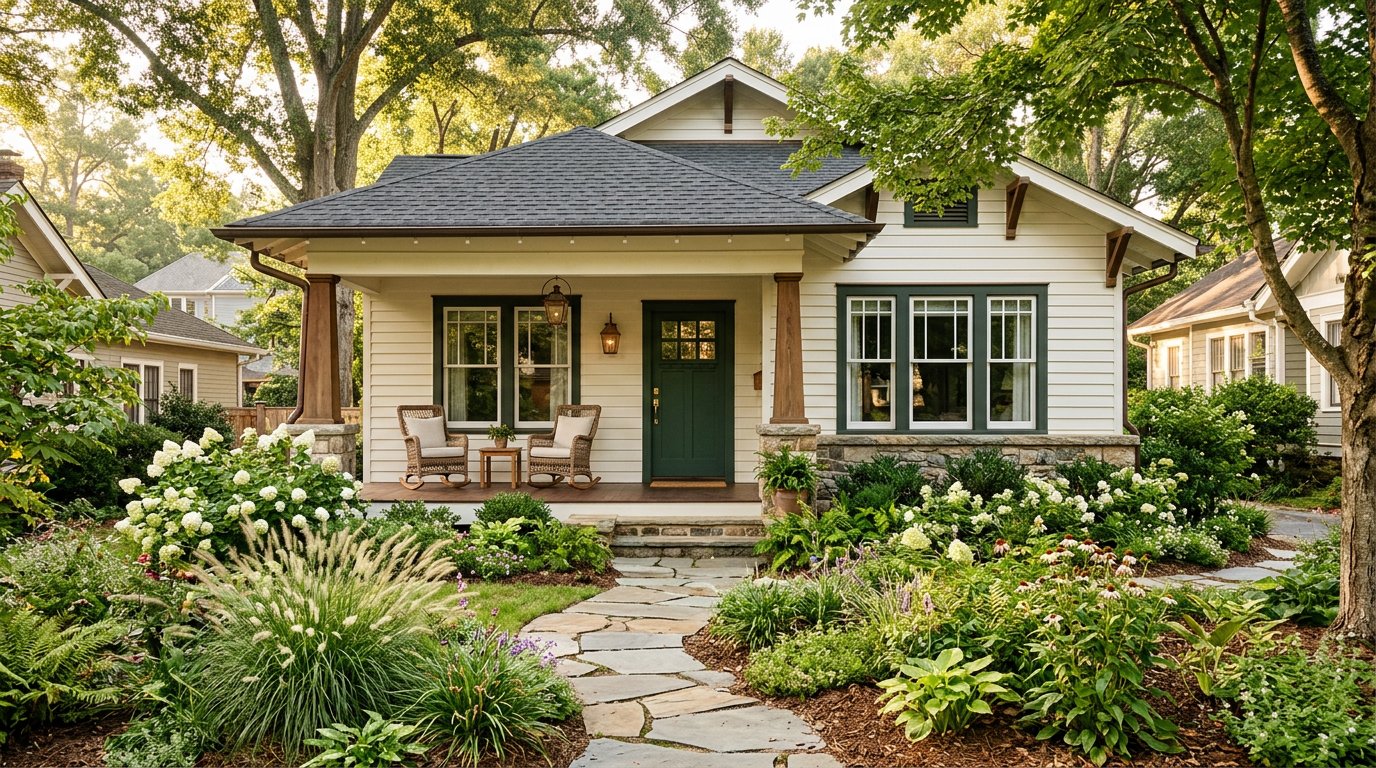
The entryway does a quiet kind of work. It welcomes you home, makes space for the things you carry, and helps the rest of the house feel a little less rushed. It does not need to be large or elaborate to make a difference. It simply needs to support the way you arrive.
Notice what follows you through the door
Before choosing baskets or hooks, pay attention to what naturally comes in with you. Bags, shoes, keys, mail, a favorite jacket, perhaps a leash or a tote for the next outing. The best landing place grows from those everyday habits rather than asking everyone to learn a new routine.
A small tray near the door can keep keys from wandering. A sturdy hook at an easy reach can make a bag simple to put away. If shoes tend to gather in a spot, a low bench with open space beneath it can make the choice feel natural. Leave a little breathing room, too; a clear surface is useful precisely because it is not asked to hold everything.
Let storage feel like part of the welcome
Closed storage can soften visual clutter, while open baskets make frequently used items easy to find. A runner can define the path into the home, and a mirror can bounce light into a narrow corner. Materials matter: a wooden bowl, woven basket, or linen cushion can make practical pieces feel at home with the rest of the room.
For a busy household, labels and a dedicated place for outgoing items can help, but keep the system light. If putting something away takes too much effort, it is unlikely to last. Aim for a setup that is easy to reset while you are already passing through.
Make the welcome feel like yours
Bring in a small detail that feels personal: a framed print, a favorite plant, or a color that carries into nearby rooms. The entry is a working space, but it can still feel warm. When every item has a sensible place and the welcome feels like your own, the whole home begins on a calmer note.