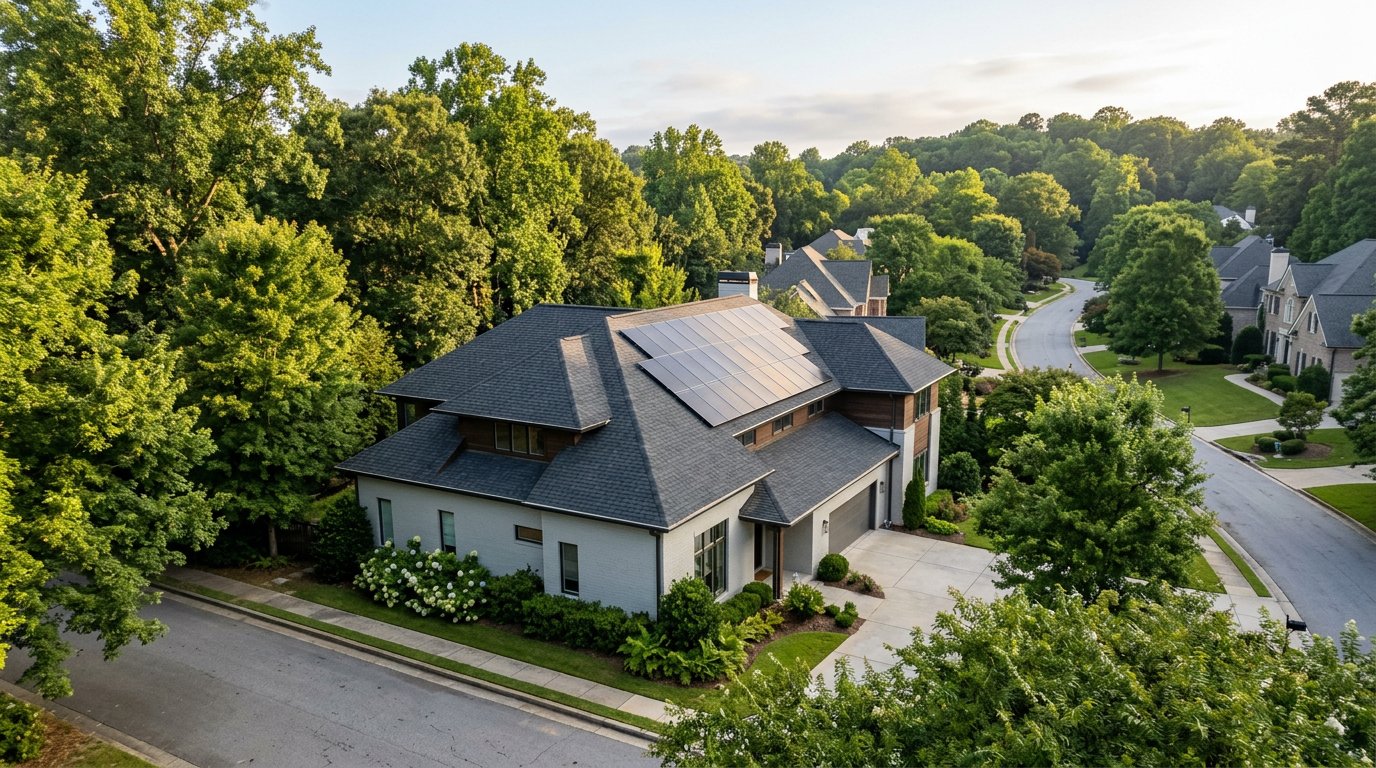
A home can feel more comfortable without calling attention to the work behind it. A draft disappears. A room holds its temperature more evenly. Daylight feels generous, and the roofline looks as though it always belonged there. Energy-conscious renovation is at its best when it brings practical care and a thoughtful design together.
Start by noticing how the house feels
Take note of the rooms that feel too warm, too cool, or dim at certain times of day. Pay attention to window drafts, uneven light, and how your routines move from room to room. These observations create a useful starting point for a conversation with a qualified home professional. They also help keep the plan connected to real comfort rather than a list of upgrades for its own sake.
Windows, roof condition, insulation, ventilation, and solar potential each play a different part in the way a home performs. The right choices depend on the structure, the local climate, the orientation of the home, and your priorities. A careful assessment helps reveal which changes may work well together.
Choose upgrades that belong to the home
Solar panels can be considered alongside the roof rather than treated as an afterthought. Window replacements can honor the home’s proportions while improving the feel of a room. Materials, color, and detailing help new work settle naturally into the architecture, especially on older homes with a distinct character.
It is also worth asking how each proposed improvement will be maintained, what preparation it needs, and whether any permits or specialist reviews apply. For financing, incentives, warranties, and energy claims, consult the relevant providers and local authorities; terms and eligibility can vary.
Think in layers, not quick fixes
Comfort is the result of connected details working together. Good advice, careful installation, and an honest understanding of the house can matter as much as the product itself. When a project is planned with the whole home in mind, performance and appearance can support each other for the long term.
The reward is often quiet: a room that feels easier to enjoy, a roof that feels ready for what comes next, and a home that better reflects how you want to live.